ARTICLE SUMMARY
BPM processes represent a structured approach to identifying, modeling, and optimizing recurring activities within an organization. This management discipline integrates workflows, data, and technology to improve operational performance, ensure compliance, and achieve strategic goals through a continuous cycle of refinement and automated orchestration.

Demystify what BPM processes actually are and get a step-by-step guide on how to implement, automate, and optimize your workflows for scalable growth
Managing complex operations often feels like fighting a constant battle against silos and manual errors. When information is scattered across emails and spreadsheets, the lack of visibility creates bottlenecks that slow down the entire company.
BPM processes serve as the foundation for organizing these activities, ensuring that every task contributes to a larger strategic objective. By adopting a process-first mindset, leaders can gain the clarity needed to scale operations without increasing overhead.
In this article, you will learn how to define, map, and optimize your workflows to achieve consistent performance.
What Are BPM Processes?
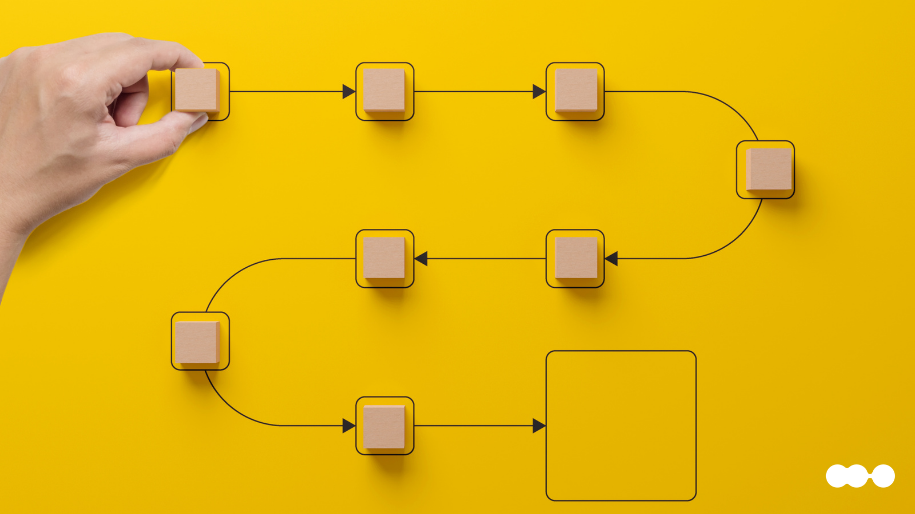
At its core, a business process is a series of steps performed by a group of stakeholders to achieve a concrete goal. Unlike isolated tasks, these processes are interconnected and repeatable.
BPM processes refer to the systematic discipline of managing these sequences to ensure they remain efficient and aligned with the business strategy.
While many associate this concept only with technical documentation, it is actually a management philosophy. It involves understanding how work flows from one department to another, identifying where delays occur, and determining the best way to handle exceptions.
In a modern enterprise, this documentation is the first step toward building a scalable architecture.
Why Do BPM Processes Matter for Business Performance?
Without a clear framework for management, organizations often suffer from “operational debt.” This occurs when processes grow organically without oversight, leading to redundant steps and a lack of accountability.
Strengthening your BPM processes allows for better resource allocation and risk management.
The financial impact is significant. According to a McKinsey Global Survey, work automation and process optimization could add up to 3.3 percentage points annually to global productivity growth.
For a middle manager, this translates into shorter lead times, lower operational costs, and the ability to meet SLAs consistently. When you treat your processes as assets, you create a foundation for continuous improvement.
What is the Difference Between BPM Processes and Workflow Automation?
It is common to use these terms interchangeably, but they represent different layers of operational excellence. A BPM framework provides the strategic “why” and “how” of the entire operation.
It looks at the process end-to-end, considering the human elements, the data policies, and the overall business logic.
On the other hand, workflow automation is the technical execution of specific tasks within that process. Automation removes the manual burden of data entry or status updates, but it requires a well-defined process to be effective.
Automating a broken process only produces errors faster. Therefore, successful companies use a unified orchestration and automation platform with AI to bridge the gap between strategy and execution.
What Are the Stages of the BPM Lifecycle?
To achieve sustainable results, organizations usually follow a process improvement methodology known as the BPM lifecycle. This cycle ensures that workflows do not become stagnant.
Mapping and Modeling
The first stage is process mapping. This involves creating a visual representation of the current state (AS-IS) and designing the desired future state (TO-BE). Business process modeling helps stakeholders visualize the flow of information and identify handoff points where things usually go wrong.
Execution and Monitoring
Once the model is defined, it is put into practice. During execution, it is vital to collect data on performance. Monitoring involves tracking key metrics, such as cycle time and error rates, to ensure the process is functioning as intended. This data provides the evidence needed for the next phase.
Optimization and Refinement
No process is perfect from the start. Business process optimization is the ongoing effort to remove friction. This might involve resequencing tasks, removing unnecessary approvals, or implementing new automation triggers. Refinement is what keeps the operation agile in a changing market.
Common BPM Process Examples in Companies
The versatility of this discipline allows it to be applied across various departments. Below is a table highlighting how different areas benefit from structured management.
| Department | Process Example | Main Benefit |
| Finance | Accounts Payable | Reduced late fees and better cash flow visibility |
| HR | Employee Onboarding | Faster time-to-productivity for new hires |
| IT | Incident Management | Improved SLA compliance and security governance |
| Procurement | Vendor Management | Better compliance and centralized documentation |
How to Implement BPM Processes: A Step-by-Step Guide
Implementing a new framework does not require a complete overhaul of your systems. Instead, focus on high-impact areas where manual work is causing the most frustration.
- Identify the bottleneck: Pick a process that is currently causing delays or high error rates.
- Document the steps: Use process documentation to record every step, including who is responsible and what data is required.
- Define ownership: Ensure every process has a clear owner who is accountable for its performance.
- Leverage technology: Select a BPM software that allows your team to build and adjust flows without relying heavily on technical backlogs.
- Measure and iterate: Set clear KPIs and review them monthly to find new optimization opportunities.
Illustrative Example: Procurement Efficiency
Let’s consider a fictional scenario. Imagine a procurement team at a mid-sized consumer goods company. They currently handle hundreds of purchase requests via email. Requests are often lost, and the lack of a standardized BPM framework means that approvals take weeks.
By implementing a structured process, the team could centralize all requests in a single platform. If they used a solution like Pipefy, they could set mandatory fields for vendors, ensuring all data is present before the request reaches the finance area.
The system would automatically route the request to the correct manager based on the budget. Taking this a step further, by integrating procurement workflows with AI agents, the team could even automate vendor risk assessments and instantly summarize complex contracts. This intelligent routing and data extraction reduces the approval time from ten days to just forty-eight hours.

What to Look For in BPM Tools and Software?
Choosing the right technology is critical for long-term success. Modern business demands more than just a static diagram; it requires a dynamic environment where processes can evolve.
First, look for no-code capabilities. This empowers business teams to own their workflows, reducing the pressure on IT departments.
Second, prioritize integration. Your BPM processes must connect with your existing ERP, CRM, and other core systems to eliminate data silos.
Finally, ensure the tool offers robust governance. Features like audit logs and permission controls are essential for maintaining compliance in regulated industries.
Orchestrating Success with Pipefy
The complexity of modern business requires more than simple automation; it demands a unified layer of orchestration.
Pipefy provides a complete platform to design, execute, and optimize your BPM processes with speed and security. By connecting people, systems, and data in one place, the platform eliminates the chaos of fragmented tools.
With Pipefy’s AI Agents, your team can move from manual coordination to intelligent orchestration. These agents help prioritize tasks, summarize complex data, and ensure that every process follows corporate policies automatically.
Instead of waiting months for technical implementations, your operation can achieve AI results in days, not months.
This approach gives your team the autonomy to innovate while providing IT with the governance needed to maintain control.
Click the button below to book a demo of the platform and see how to transform your operations today.